
Dining Chair Industry Trends: Why Are Dining Chairs Becoming More Valuable? A Deep Look into Structure, Materials, and Hidden Craftsmanship
In the past, when people purchased a Dining Chair, they mainly focused on two things: whether the appearance matched their interior style and whether the price was acceptable. However, the furniture industry has been changing in recent years. Consumers are no longer simply buying a chair; they are choosing a long-term product that affects comfort, aesthetics, and daily experience.
As home spaces become more multifunctional, the dining table is no longer used only for meals. It may also serve as a workspace, reading area, study area, or social gathering space. Because of this change, Dining Chair has gradually evolved from a simple piece of furniture into an important part of modern living.
Many people outside the furniture industry may not realize that a dining chair involves multiple fields, including ergonomics, material science, structural engineering, and manufacturing techniques.
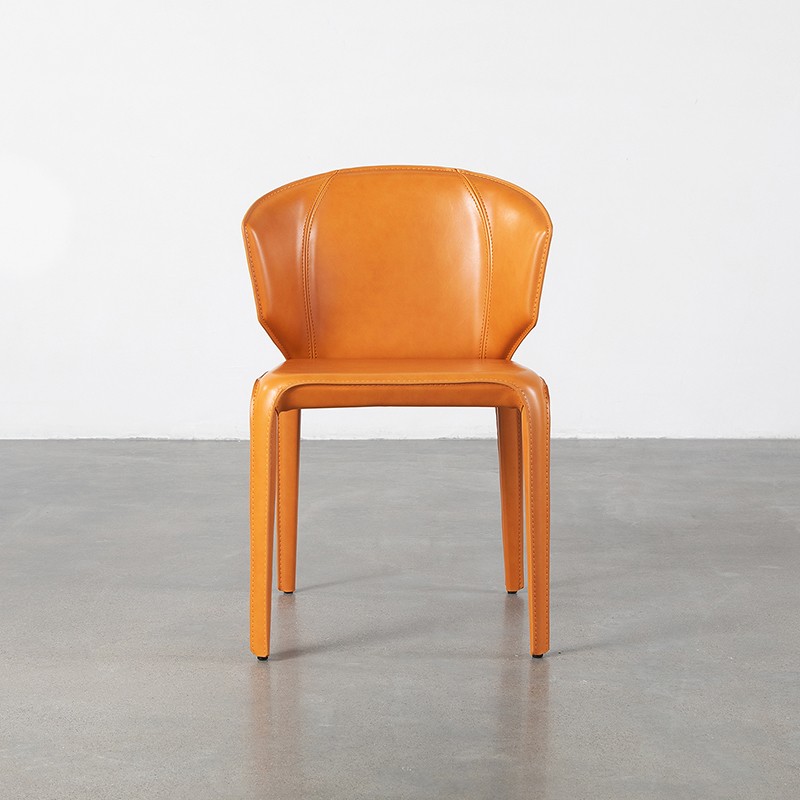
Dining Chairs Are Becoming the Visual Center of Dining Spaces
In traditional furniture design, the common idea was:
The dining table defines the style, while the chair is only a supporting element.
Today, many designers are changing this concept:
A distinctive set of dining chairs can define the entire atmosphere of a dining area.
One growing trend is the use of mismatched dining chairs. Instead of using exactly the same chairs around the table, designers combine different colors, materials, or shapes while maintaining overall harmony.
Popular combinations include:
- Wooden dining tables with upholstered dining chairs
- Marble tabletops with metal‑frame chairs
- Chairs with different colors but similar designs
This approach is not only used in homes but also widely adopted in restaurants, hotels, cafés, and commercial spaces.
An Industry Secret: A Few Centimeters in Chair Height Can Change the Entire Sitting Experience
Many consumers believe:
“Most dining chairs look similar, so the height difference should not matter.”
In reality, professional furniture manufacturers pay close attention to every dimension of a dining chair.
| Parameter | Common Range |
|---|---|
| Seat Height | 430‑480 mm |
| Seat Depth | 400‑500 mm |
| Backrest Height | 300‑500 mm |
| Seat Width | 420‑520 mm |
Among these measurements, seat height plays one of the most important roles.
If the seat is too high:
- Legs may not rest naturally on the floor
- Thigh pressure increases
- Long periods of sitting become uncomfortable
If the seat is too low:
- The body tends to lean forward
- Lower back support decreases
- Sitting posture becomes less natural
Many premium dining chairs do not rely on complicated functions. Instead, they improve comfort through precise adjustments in seat height, backrest angle, and cushion thickness.
Industry Knowledge: The Lifespan of a Dining Chair Depends More on Internal Structure Than Surface Materials
When buying a dining chair, many customers first look at:
- Leather or fabric type
- Wood grain appearance
- Color and style
However, furniture manufacturers focus more on:
Frame Construction.
During long‑term use, the main stress points include:
- Connection between chair legs and frame
- Support structure under the seat
- Backrest stress areas
- Screws, joints, and reinforcement points
For wooden dining chairs, traditional manufacturing methods often include:
- Mortise and Tenon Joint
- Reinforced corner blocks
- Multi‑layer support structures
Natural wood expands and contracts slightly due to temperature and humidity changes. Without proper structural design, chairs may develop problems after years of use, such as:
- Loose joints
- Unstable frames
- Squeaking sounds
A common saying in the furniture industry is:
A good chair is not only comfortable on the first day; it should remain stable after years of use.
Why Are More Dining Chairs Using Upholstered Designs?
In the past, many dining chairs were made from:
- Solid wood
- Plastic
- Metal
The reasons were simple:
- Easier mass production
- Lower maintenance requirements
- Better cost control
However, as consumers demand higher comfort, upholstered dining chairs have become increasingly popular.
A typical upholstered dining chair consists of:
- Outer fabric or leather covering
- Cushion foam
- Internal board structure
- Supporting frame
Among these components, foam density greatly affects the sitting experience.
Low‑density foam:
- Feels soft at first
- May lose support over time
High‑density foam:
- Provides stronger support
- Maintains shape longer
In recent years, materials such as velvet, technology leather, and boucle fabric have gained popularity because they provide both visual appeal and a comfortable touch.
Future Development of Dining Chairs: Comfort, Sustainability, and Multi‑Functional Design
Future Dining Chair development will not only focus on appearance but also on practical usage experience.
Integration with Home Office Needs
With the growth of remote work, dining tables are increasingly used as temporary workstations.
Future dining chairs will pay more attention to:
- Lower back support
- Cushion comfort
- Backrest angle
- Long‑term sitting experience
The dining chair is gradually transforming from a meal‑only seat into a multifunctional home chair.
Increasing Use of Sustainable Materials
The furniture industry is adopting more environmentally friendly solutions, including:
- Sustainable wood
- Recycled materials
- Low‑VOC coatings
- Eco‑friendly production methods
Future customers will not only ask:
“How much does this chair cost?”
They will also consider:
- Where the materials come from
- How long the chair can be used
- Whether the product is environmentally responsible
Modular and Customized Dining Chairs
Customization is becoming another important direction.
Future dining chairs may offer:
- Replaceable cushions
- Removable covers
- Multiple color combinations
- Customized dimensions
This approach can extend product lifespan and provide more personalized choices for different users.
Conclusion: A Dining Chair Represents More Than Furniture
A dining chair may look like a simple household product, but a well‑designed chair combines:
- Ergonomic principles
- Structural stability
- Material selection
- Manufacturing craftsmanship
- Modern lifestyle needs
For buyers and furniture purchasers, choosing a dining chair should involve more than checking appearance and price. Important factors include:
- Frame durability
- Material suitability
- Sitting comfort
- Long‑term usability
The future competition in the dining chair market will not only depend on design but also on manufacturing details, material innovation, and user experience.
Previous:No News
Send Inquiry



X
We use cookies to offer you a better browsing experience, analyze site traffic and personalize content. By using this site, you agree to our use of cookies.
Privacy Policy